Curiosity
south africa
a couple of thinkers
In the quiet expanse along Namaqualand, South Africa's western coast, where the rhythms of the land echo through time, I found myself within the weathered embrace of an ancient farmhouse, a relic from the robust 1800s. This corner of the world is renowned for its sheep farming legacy.
Sheep stand as steadfast companions, etched into the very essence of life in this unforgiving South African terrain. For centuries untold, these resilient woolly mammals have been more than mere inhabitants; they are enduring allies, a testament to the resilience of those who carve out existence in the harsh embrace of the Namaqualand.
Beneath the arid canopy of this ancient realm, the echoing bleats of the sheep harmonize with the ceaseless winds that sweep across the rugged expanses. A timeless melody of survival resonates through the ages, telling the tale of a delicate dance between man and beast—a rhythm that sustains life amidst the challenges of this arid wilderness.
In the shadow of weathered plateaus and beneath the watchful eyes of ancient rock formations, a silent pact unfolds. Nomads and settlers, intimately attuned to the delicate balance of nature, share an unspoken understanding with their four-legged companions. The fleece of these animals, a coveted shield against the biting chill of Namaqualand's nights, becomes a symbol of resilience worn by those navigating the razor's edge between life and desolation.
Amidst tenacious tufts of grass that defy the arid soil, the sheep graze as silent witnesses to the aeons that have shaped this unforgiving landscape. The rhythmic cadence of hoofbeats and the rustle of wool against thorny shrubs create a harmonious symphony that speaks of survival, adaptation, and an enduring connection between grazers and guardians.
At the same time one might argue that the woolly denizens, the sheep, played an unwitting role in the undoing of an ancient civilization—the Khoisan people. As the pastoral pursuits of sheep farming took root, the Khoisan watched helplessly as their ancestral domains slipped through their fingers like grains of sand carried by the relentless winds.
The very creatures that sustain life on those arid plains became agents of change, sealing the fate of a people intertwined with the land for generations. It's a paradox of sorts – the sheep, heralded for the sustenance they provided, became, unbeknownst to them unwitting architects of displacement and loss.
In the dance between survival and demise, the once-nomadic Khoisan found themselves corralled by the encroaching flocks, their sacred homelands transformed into pastures. The irony lies in the fact that while the sheep grazed and flourished, they unwittingly tread upon the echoes of a vanishing culture.
The pastoral scene, once idyllic, unfolded a narrative of unintended consequences. The bleating of sheep, seemingly innocuous, resonated with the fading whispers of a civilization displaced. Thus, the very essence of life, embodied by the woolly creatures that grazed the land, became a silent witness to the bittersweet tale of sustenance and sacrifice in the unforgiving embrace of the African terrain.
As the Namaqualand sun dips below the horizon, casting the land in hues of amber and fiery red, the communal spirit of survival comes alive. The legacy of resilience is written in the dust and imprinted on the hearts of those who call this harsh wilderness home. The sheep, more than mere companions, embody the enduring spirit that thrives in the face of nature's sternest tests—a testament to the timeless bond between the hardy people and the steadfast creatures that roam the arid expanses of Namaqualand.
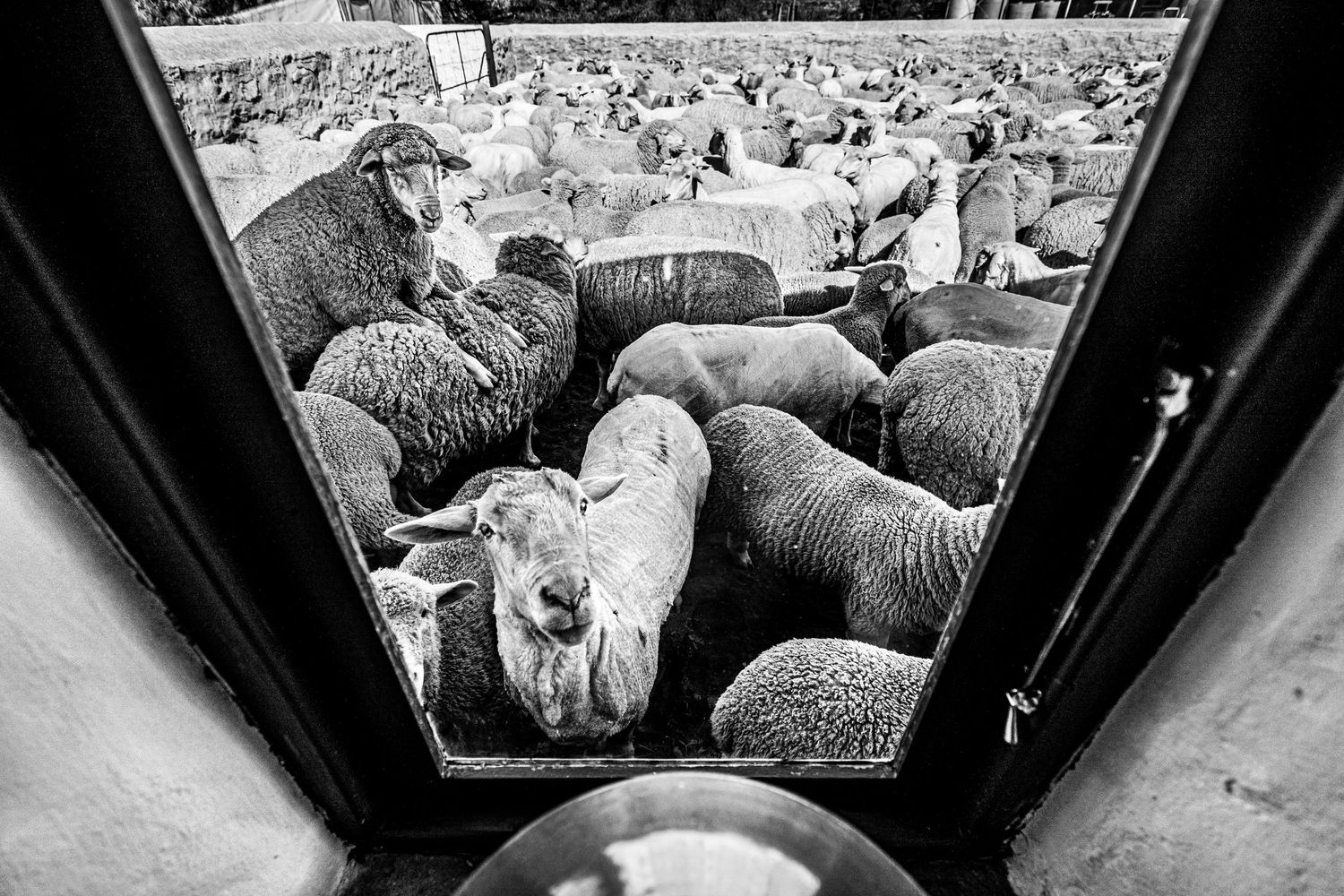
As I stood within the aged walls, a peculiar scene unfolded. Through the weathered windows, my gaze met that of two sheep, their eyes reflecting a curiosity. It struck me as amusing and strangely heartwarming. In the simplicity of their woolly countenance, there gleamed a spark, an understanding beyond the mundane.
Their inquisitive eyes locked onto mine, a silent exchange in a language known only to the curious at heart. It made me ponder the diverse forms intelligence takes in the grand mosaic of life where even in the seemingly simple gaze of sheep, a profound curiosity weaved a tale of understanding, a connection that transcends the boundaries of species and speaks to the shared essence of curiosity that unites all living beings.