

Tools
South africa
resourcefulness
In the arid expanse of Namaqualand, where the sun paints the land with hues of amber and ochre, the original custodians of the terrain, the Khoisan people, a saga of resilience and harmony that spanned millennia. Nomadic hunter-gatherer tribes, they traversed the vast canvas of southern Africa, weaving a tapestry of one of the oldest and most precious cultures known to humankind.
The rocky outcrops of the land bear witness to their ancient presence, adorned with paintings and artwork that whisper tales of a bygone era—testaments to a people deeply connected to the land. Some of these artworks, weathered by the sands of time, stand as silent sentinels dating back to 20 thousand years, preserving the artistic legacy of a humble and peaceful people.
Regrettably, the echoes of traditional Khoisan life have been fading, initially casualties of the relentless march of colonialism and the expansion of other African tribes, now confined to the workings of a society and world that no longer supports that ancient way. Yet, the spirit of the Khoi San endures, carried by the winds that sweep across the vast landscapes they once roamed. And still carried by a few elders and tribesmen that keep the memory, traditions, skills and way alive. They are strong and a reminder to us of how it was before. How we have become disconnected. How we need to find balance and more compassion. How we need to conserve. How need to listen and commune together. The little hunger and the great hunger.
“The Khiosan in the Kalahari Desert talk about the two “hungers”. There is the Great Hunger and there is the Little Hunger. The Little Hunger wants food for the belly; but the Great Hunger, the greatest hunger of all, is the hunger for meaning.
There is ultimately only one thing that makes human beings deeply and profoundly bitter, and that is to have thrust upon them a life without meaning.
There is nothing wrong in searching for happiness. But of far more comfort to the soul is something greater than happiness or unhappiness, and that is meaning. Because meaning transfigures all. Once what you are doing has for you meaning, it is irrelevant whether you’re happy or unhappy. You are content – you are not alone in your Spirit – you belong.”
Laurens van der Post
In the intricacies of their culture, the Khoi San were not a warring people; conflict did not weave itself into the fabric of their existence. Instead, they embraced the artistry of survival, embodying the essence of expert trackers who navigated the vastness of their surroundings with an intimate knowledge of the land. Their tools were born of endurance, and the natural world around them provided the canvas upon which they painted their tales of sustenance.
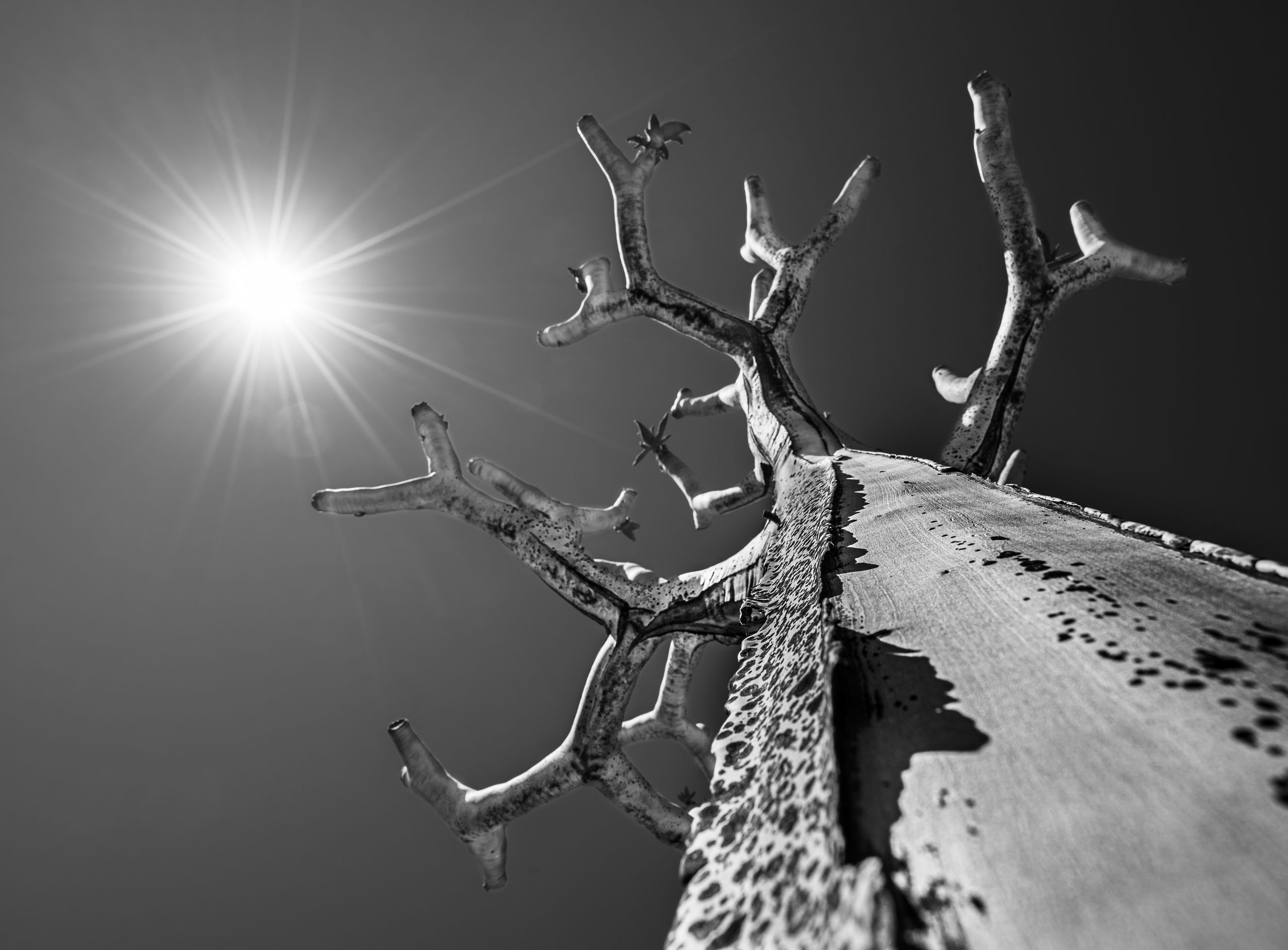
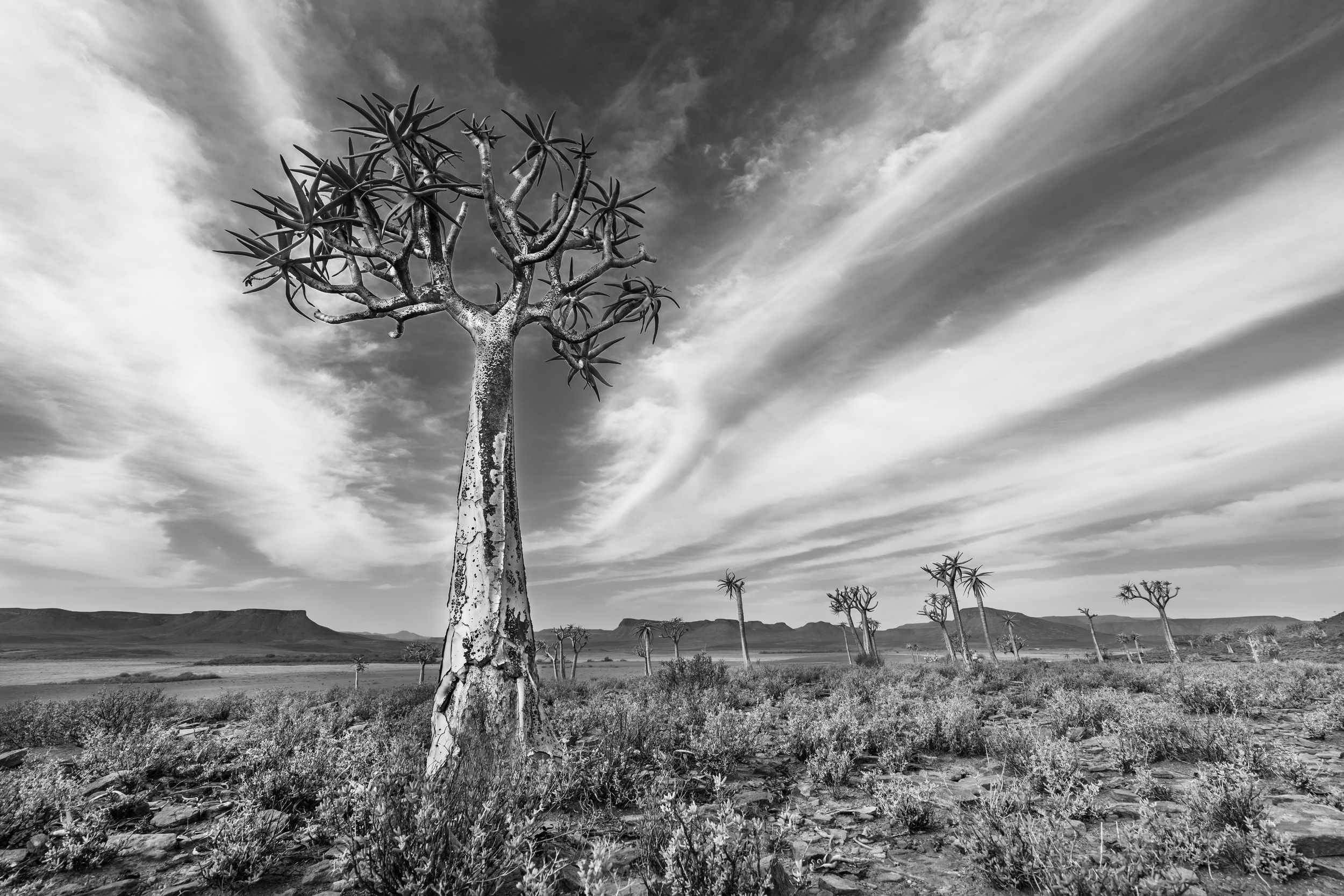
Amidst the undulating terrain, the quiver tree stands as a living relic of the Khoi San's resourcefulness. Its branches, porous and easily hollowed, became more than a mere arboreal presence. The Khoi San ingeniously transformed them into quivers, using these living vessels to carry the arrows that would secure their sustenance during the hunt.
Delving deeper into Khoisan history unveils a profound narrative, a rich tapestry woven with threads of cultural significance and spiritual beliefs. Their cosmology, intricately intertwined with the rhythms of nature, held the belief in a spiritual realm where ancestors played a vital role. Rituals, dances, and trance-induced states became conduits to commune with the divine forces that shaped their world.
The Khoi San people were not merely inhabitants of the land; they were stewards, intricately connected to the delicate balance of nature. Their significance in the area transcended time, leaving an indelible mark on the spiritual and cultural landscape of Namaqualand. Though the winds of change may have altered the physical presence of the Khoisan, their legacy endures—a testament to a people whose existence harmonized with the heartbeat of the earth.